
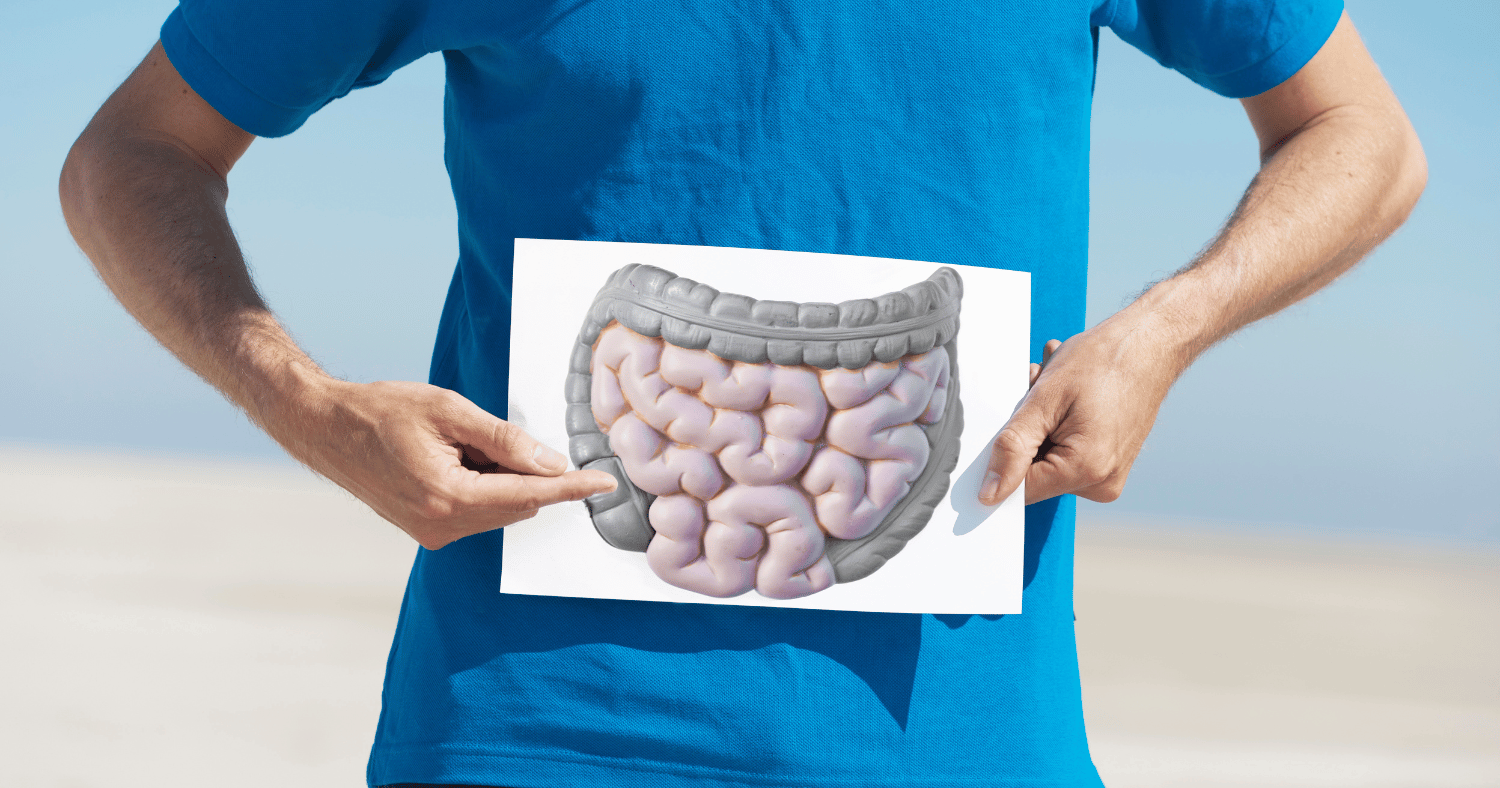
When it comes to overall well-being, gut health is a foundational pillar— impacting everything from digestion and immunity to mood, energy, and metabolism.. The overall state of your gut can often reflect the state of your entire body. If something feels “off” in your body, or you’re struggling with chronic digestive symptoms, the health of your gut is a smart place to start.
But with so many gut health tests out there, it can be overwhelming to figure out which ones are actually worth your time and money. This post will serve as a guide as to why gut testing matters and identifying the best gut health test on the market.
Test, Don’t Guess: Why You Should Consider Gut Health Testing
When it comes to gut health, it’s always better to test rather than guess. While grabbing the latest probiotic or trying a “gut cleanse” might be tempting, real healing starts with knowing what is actually going on inside your body.
In you’re experiencing any of the following symptoms, it could be a sign of an underlying gut imbalance (1):
- Bloating or gas
- Constipation and/or Diarrhe
- Acid reflux
- Frequent abdominal pain
- Skin issues
- Fatigue
- Brain fog
- Joint pain
- Food sensitivities
- Autoimmune concerns
These symptoms are your body’s way of telling you that something’s off. Rather than playing the guessing game with random supplements or restrictive diets, stool testing helps you get to the root cause so you can take targeted, actionable steps towards healing.
How to Choose an Accurate Test
Not all gut health tests are created equal. While at-home kits found online or at the store may seem convenient, they often lack the depth and accuracy needed to give you the full picture of what’s going on within the gut.
Here’s what sets clinical-grade stool tests apart:
Validated Lab Methods (2)
Clinical tests—like the GI-MAP— use advanced technologies such as PCR (polymerase chain reaction) to accurately detect microbes and pathogens at the DNA level. This offers far more precision than the methods often used in direct-to-consumer kits.
Clinically Meaningful Markers (3)
Clinical-grade stool tests measure key biomarkers such as calprotection (inflammation), secretory IgA (immune response), elastase (pancreatic enzyme output), stratocrit (absorption) and zonulin (gut permeability), which are all linked to gut function and digestive health.
Actionable Insights (4)
Clinical-grade stool testing doesn’t just tell you what’s going on in your gut— they tell you what matters. These tests screen for pathogenic bacteria such as Clostridium difficile and E. coli, as well as parasites, viral infections, fungi, and yeast overgrowth. They also assess the diversity of species in your microbiome, which is a key indicator of gut health. The results are clinically relevant and are designed to be interpreted by professionals who can create targeted treatment strategies.
Professional Interpretation (5)
One of the biggest advantages of clinical testing is the professional interpretation that comes with it. These tests are intended to be reviewed by trained practitioners who can interpret the results alongside your health history and symptoms, leading to a more personalized and effective protocol.
On the flip side, many over-the-counter tests offer generalized “gut scores” or microbiome diversity rankings. While these might sound insightful, they often lack the depth and accuracy needed to provide clear clinical direction or interpretation.
Types of Gut Health Tests: Pros and Cons
At-Home Microbiome Tests
When considering gut health testing, it may seem convenient to turn to one of the many at-home tests frequently advertised on social media— such as Viome, Ombré, BIOHM-, Thorne, or Tiny Health. While these kits are designed for convenience, easy to use, and are marketed directly to consumers, they tend to offer limited clinical value. Most focus on proprietary gut health scores or “gut age” metrics, which may sound intriguing, but often clear direction or guidance.(6) The results are often generalized and accompanied with automated supplement or diet recommendations that are not tailored to an individual’s health status or symptoms.
Professional Stool Tests (Functional Medicine Approach)
On the other end of the spectrum, professional stool tests—typically ordered through a functional practitioner— are designed to identify specific imbalances in the gut to guide personalized healing protocols. Unlike at-home tests, clinical grade tests assess a wide range of factors that provide a much clearer picture of gut functioning, including (2):
- Pathogens (bacteria, viruses, parasites, yeast)
- Inflammatory and immune markers (such as calprotectin and secretory IgA)
- Enzyme output and digestive efficiency
- Gut barrier function
- Levels of keystone strains of bacteria and bacterial diversity
Because of their depth and accuracy, clinical tests are especially valuable for individuals dealing with ongoing symptoms or complex conditions. These results are interpreted by trained professionals who provide personalized recommendations based on health history, test findings, and lifestyle factors— making them a more effective option for long-term gut healing.
Why the GI-MAP Test Is a Top Choice
When it comes to gut testing, one of the most reliable and comprehensive options is the GI-MAP (Gastrointestinal Microbial Assay Plus) run by Diagnostic Solutions Laboratory. This clinical grade test is often referred to as the “gold standard” in functional medicine as it utilizes quantitative PCR (qPCR) technology, known for its high sensitivity and specificity in detecting microbial DNA. This means results are both accurate and clinically meaningful.
What sets the GI-MAP apart is its key features. This test screens for (2):
- Pathogenic bacteria, such as Clostridium difficile and E. coli
- H. pylori, a bacterium associated with a variety of gastrointestinal conditions including gastritis, gastric cancer, and duodenal and peptic ulcer. (7)
- Viruses, parasites, Candida, and other fungi
- Beneficial and Keystone bacteria, offering insights into overall microbiome balance
- Immune health via secretory IgA
- Inflammatory markers like calprotectin
- Digestive function markers such as elastase and steatocrit
These results allow practitioners to identify root causes of gut dysfunction to create personalized, actionable protocols that support long term healing. The GI-MAP is supported by peer-reviewed studies and is widely used in evidence-based practice, making it one of the most reliable tests for assessing gut health today.
Other Trusted Stool Tests to Consider
While the GI-MAP is one of the most widely used and respected tests in the functional medicine space, there are several other high-quality stool tests to consider that also provide meaningful insights into gut health.
GI Effects® by Genova Diagnostics is a great option that combines PCR, microscopy, and culturing methods to provide a well-rounded perspective of a person’s overall gut health. It takes a functional approach by assessing key areas such as digestion, absorption, inflammation. This is a great option for those who want a general overview of their gut health and potential imbalances. (8)
Gut Zoomer™by Vibrant Wellness is another great assessment that goes beyond typical microbiome analysis. It includes more detailed data including specific micronutrient levels, food sensitivities, and gut permeability markers. This test might be beneficial for those who are suffering with more complex or systemic issues, as it provides a broader picture into how gut health is influencing the rest of the body. (9)
How to Choose the Best Gut Test for Your Needs
Choosing the best gut health test isn’t about going with the trendiest, or cheapest option— it’s about finding the option that best aligns with your individual symptoms, health history, and overall lifestyle. Working with a licensed practitioner that is trained in interpreting functional stool tests is crucial towards finding the right test and treatment protocol.
Before moving forward with any test, it’s important to become curious and ask what the test exactly measures, as well as how the results will guide your care. A good gut test goes beyond trendy marketing, but uncovers root causes and leads a clear, personalized path forward toward healing.
Conclusion: Trust Science, Not Trends
Stool testing is one of the most effective tools for uncovering hidden root causes of gut dysfunction— from inflammation and immune dysregulation to microbial imbalances and even nutrient absorption issues. But not all tests are created equal.
When exploring gut health testing, it’s important to consider evidence-based options like the GI-MAP for real clinical insights. It is equally important to work with a qualified practitioner who can interpret your results and guide you along an actionable plan for healing.
If you’re ready to take the guesswork out of your symptoms and finally get to the root cause of your gut issues, click here to purchase a GI Map Lab Package. Your path to deeper healing starts in the gut— and it begins with the right test.