
What is SIBO?
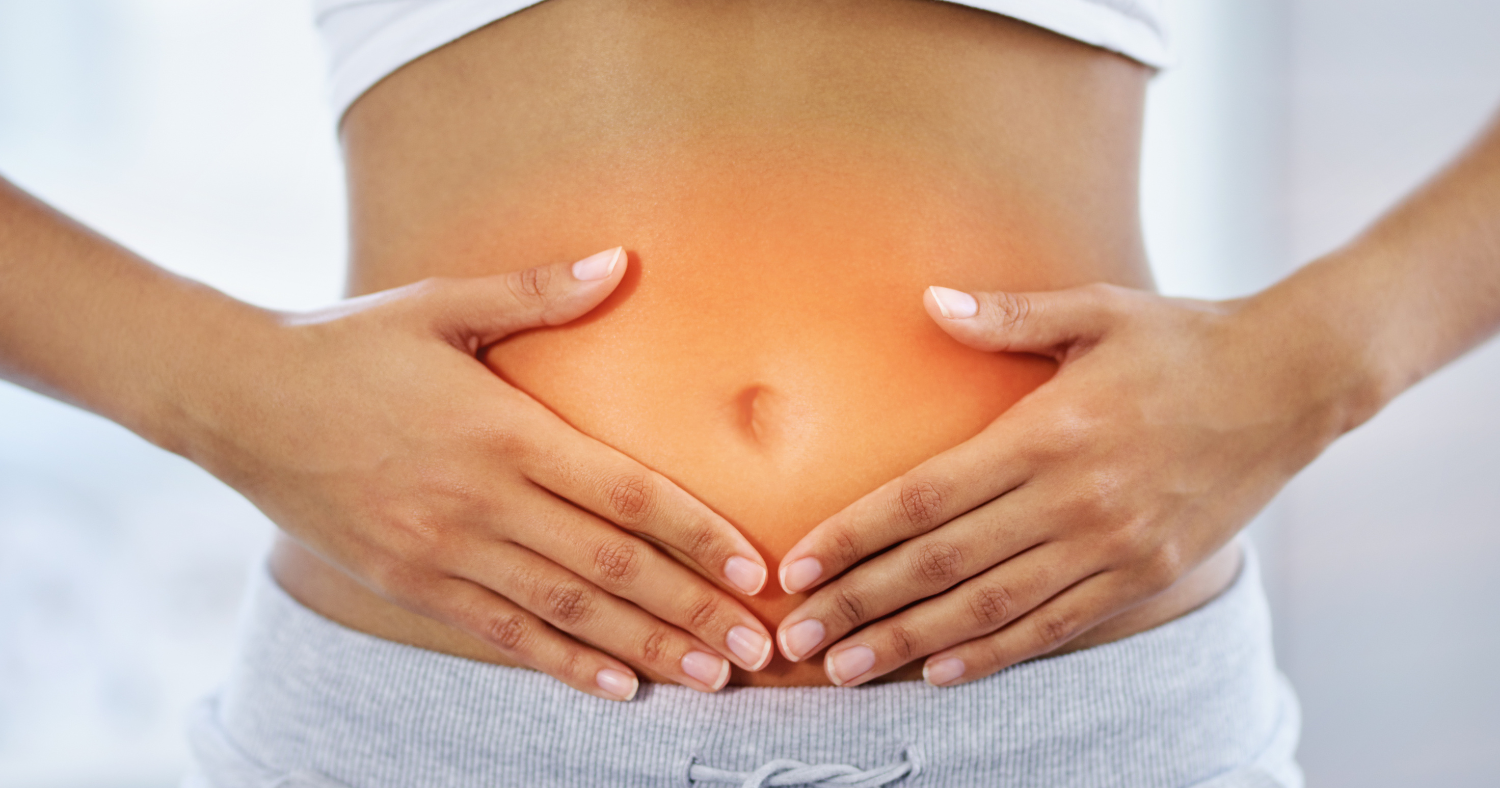
Do you ever find yourself looking several months pregnant by the end of the day, even after a seemingly healthy day of eating?
That uncomfortable, distended belly, combined with gas, unpredictable bowel movements, and nagging abdominal pain, can feel like a constant battle. This often-debilitating reality is a common sign of Small Intestinal Bacterial Overgrowth (SIBO), a condition where an excessive amount of bacteria—which ideally belong in your large intestine—have taken up residence in your small bowel, disrupting your gut’s natural harmony (1).
If you’re tired of feeling like your body is working against you, it’s time to understand SIBO and explore how natural, holistic approaches can offer lasting relief and help you reclaim your digestive comfort.
Symptoms of SIBO
The symptoms of SIBO can vary from person to person, but they’re typically due to the fermentation of food that occurs by the overgrown bacteria in the small intestine. This fermentation process produces excess gas and disrupts normal digestion, leading to a whole range of uncomfortable symptoms. Common signs of SIBO include (2,3):
- Bloating
- Diarrhea
- Constipation
- Abdominal pain or cramping
- Food intolerances or sensitivities
- Nausea
- Inflammation
- Excessive gas
- Unintentional weight loss or weight gain
- Acid reflux or heartburn
- Frequent burping or belching
Because these symptoms overlap with other gastrointestinal disorders, SIBO often goes misdiagnosed or undiagnosed entirely.
Conventional Approach to Treating SIBO
When you visit your doctor for SIBO, the conventional approach to treating SIBO often involves a course of antibiotics to reduce bacterial overgrowth. Commonly prescribed antibiotics include rifaximin, metronidazole, tetracycline, or neomycin—with rifaximin being the most widely used. For methane-dominant SIBO, rifaximin is typically paired with neomycin for more effective results.
However, studies show that nearly 50% of patients experience recurrence after antibiotic treatment alone, underscoring the need for more comprehensive and natural healing strategies to support lasting recovery (4).
Healing SIBO Naturally
Before diving into how to heal SIBO naturally, it’s important to first understand what SIBO is.
Understanding the SIBO Imbalance
SIBO is not an infection in the typical sense—it’s an overgrowth of bacteria in the wrong place in the gut. Often the bacteria overgrowing in the small intestine are beneficial bacteria, but they are thriving where they shouldn’t be (1). Getting rid of SIBO is not as simple as just ‘killing an infection.”
To truly overcome SIBO—not just temporarily reduce symptoms— it’s essential to address the root causes of why you got it in the first place. Without getting to the root of the issue, SIBO is likely to return, regardless of treatment strategy.
Low FODMAP Diet: A Symptom Management Tool
One of the most common dietary strategies used to help manage SIBO is the low FODMAP diet. FODMAPs (Fermentable Oligo-, Di-, Mono-saccharides, And Polyols) are fermentable carbohydrates that can feed the bacteria overgrown in the small intestine, often leading to bloating, gas, and other unpleasant symptoms (5).
While a low FODMAP diet can be effective for reducing symptoms, it does NOT treat or eradicate SIBO on its own. It’s often used as a complementary tool alongside other treatment approaches to help manage discomfort while addressing the root causes of the overgrowth.
Because low FODMAP diets are highly restrictive, they should only be used in the short term with the guidance of a trained practitioner to avoid nutrient deficiencies and further disruption of the gut microbiome.
Antimicrobial Herbs: Nature’s Allies
These powerful botanicals offer a natural way to directly address SIBO by targeting and reducing bacterial overgrowth in the small intestine. These herbs contain natural antimicrobial compounds that work to kill or inhibit the growth of bacteria. Commonly used antimicrobial herbs include berberine, neem, oregano, garlic, olive leaf extract, caprylic acid, and thyme.
The exciting news is that research has shown herbal therapies can be just as effective as antibiotics—like rifaximin—when it comes to resolving SIBO, often without the potential negative side effects associated with antibiotics (6). Herbal antimicrobials are usually used in combination with dietary changes, motility support, and probiotic supplementation for the best results.
Optimizing Digestion
One of the most common contributors to SIBO is something called hypochlorhydria, or low stomach acid. It’s easy to overlook, but without sufficient stomach acid, bile flow becomes sluggish, digestive enzyme production decreases, and food doesn’t get properly digested or absorbed. This leads to further bacterial fermentation, more bloating, gas, constipation, and even nutrient deficiencies.
Common signs of low stomach acid include gas, bloating, constipation, heartburn, and abdominal pain (7). Supplements to replace stomach acid, digestive enzymes, or bile may be necessary to support digestion and address SIBO.
Restore Gut Motility
Another common root cause of SIBO is sluggish gut motility. When digestion slows, there’s a “traffic jam” in the intestines, allowing bacteria to ferment undigested food in the small intestine— only making symptoms worse.
The migrating motor complex (MMC), which is responsible for crucial “housekeeping” movement through the gut, is often impaired in cases of SIBO. Restoring the MMC is absolutely essential to resolving SIBO for good.
Several foods and herbs can naturally help promote motility, including ginger, artichoke leaf, lemon, and magnesium (8). Supporting the nervous system is also essential, as it plays a huge role in regulating the muscles of the digestive tract
Meal spacing is also another simple yet effective tool for supporting digestion. Allowing at least 12 hours fasting overnight, along with 3-4 hours fasting between meals during the day, gives the digestive system time to fully clear out remaining food through MMC, a process that helps keep the small intestine clean (9).
Nourishing Your Gut: Key to Long-Term SIBO Resolution
Because SIBO involves an overgrowth of bacteria in the small intestine, it often leads to imbalances throughout the entire microbiome. Think of it as a ripple effect.
Plus, many SIBO protocols—especially those involving antimicrobial herbs or antibiotics— can unfortunately reduce the levels of beneficial bacteria as well. That’s why rebuilding a healthy, diverse microbiome is an essential part of long-term healing after SIBO treatment.
This process includes thoughtfully re-introducing a variety of diverse, fiber-rich foods to help feed the good bacteria, laying the foundation for a resilient gut. It’s also important to replace key nutrients that may have become depleted as a result of malabsorption or restrictive elimination diets.
Finally, supplementing with high-quality probiotics can help replenish beneficial bacterial strains and restore balance in the gut, supporting digestion, immune function, and overall health.
Summary
Healing SIBO naturally takes more than just managing symptoms—it’s about getting to the root of why the overgrowth happened in the first place.
While things like the low FODMAP diet and antibiotics can help temporarily, true healing comes from a more holistic approach. This includes supporting digestion, using targeted antimicrobial herbs, restoring gut motility, and rebuilding a strong, diverse microbiome.
Since SIBO has a high recurrence rate if the root causes aren’t addressed, it’s very important to work with a practitioner who can help you create a personalized plan for long-term gut health and feeling your best.
If you’re ready for a holistic approach to SIBO, click HERE to learn about Nourish & THRIVE Functional Healing, a comprehensive program to get to the root of your symptoms and restore your gut health.